
Parents and gift‑givers often underestimate how powerful a simple walkie‑talkie set can be. It’s not just plastic and sound — when used thoughtfully, it becomes a bridge between imagination and real‑world skills: communication, creativity, cooperation, independence, and social confidence.1
In a world full of screens, high-tech tablets, and passive entertainment, a sturdy pair of walkie‑talkies offers something rare: active, social, imaginative, screen-free play that builds real-world skills.2
Here are three top walkie‑talkie toys from SmartyToys — each with its own strengths — that many parents are using today to give their kids fun, meaningful, and interactive playtime:
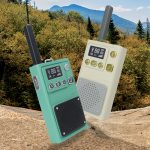
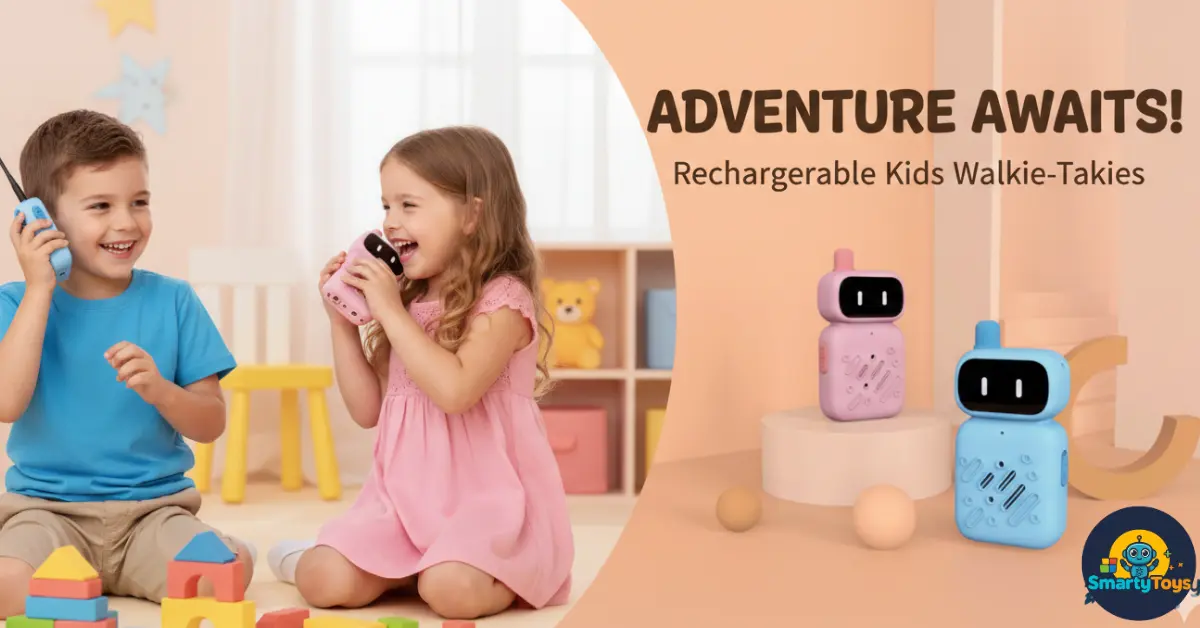
- Rechargeable Kids Walkie Talkies XJ15
- SmartyToys XJ16 Talkie Duo for Kids
- Long-Range Walkie Talkies W1A
This article dives into why walkie‑talkies matter, how they benefit kids’ development, and what makes each of these sets a unique choice — plus FAQs to help you choose the right one.
Why Walkie‑Talkies Are More Than “Just Toys”
Kids today face two opposing extremes: heavy reliance on screens, or traditional toys that don’t last and quickly lose interest. Walkie‑talkies strike a balance.
- They build real communication skills: Unlike games where kids press buttons or tap screens, walkie‑talkies demand clear, direct verbal communication.3 Kids must speak clearly, listen carefully, give instructions, and respond. This builds speech confidence, vocabulary, tone awareness, and listening skills.4
- They foster cooperation and teamwork: Walkie‑talkie adventures naturally lead to cooperative play. Whether kids pretend to be spies, build rescue missions, coordinate play across rooms or the backyard, they learn collaboration, planning, conflict resolution, and shared responsibility.5
- They encourage imagination & creative play: With just two devices, kids can invent missions, treasure hunts, secret agent games, exploration scenarios, spy‑versus‑spy, pirate adventures, and more.6 The open‑ended nature of walkie‑talkie play stretches imagination hours beyond what a fixed toy can offer.
- They promote active, unrestricted play: No screens. No earbuds. Just voices, movement, and energy. Kids run around, hide, seek, explore — walkie‑talkies get them moving.7 That’s a valuable break from sedentary free time.
- They teach responsibility & communication discipline: Kids learn to hold on to their devices, wait their turn to talk, use appropriate volume, follow simple protocols (“over,” “you copy?”), and manage shared gear — good early lessons in responsibility.8
- They help build social confidence: Shy kids especially benefit. Walkie‑talkies allow them to express themselves through “roles” — explorers, spies, commanders — lowering social pressure, boosting confidence, and encouraging social interaction.
All of this, with a couple of handheld radios. Not bad for “just toys.”
Meet the Top Walkie‑Talkies for Kids (2025 Edition)
Here’s a breakdown of the three walkie‑talkie sets from SmartyToys — what makes each special, and which kids will enjoy them most.
Rechargeable Kids Walkie Talkies XJ15
Why this set stands out:
The XJ15 version makes life easier for parents and kids alike — because there’s no fuss with disposable batteries. These are rechargeable walkie‑talkies, built for repeated, long-term use.
Best for:
- Families who want a sustainable, long-term solution
- Kids ages 5+ who enjoy play that returns day after day
- Households where multiple play sessions happen (backyard games, indoor missions, sibling play)
Top features kids and parents love:
- Rechargeable batteries (no battery replacements)
- Durable build, designed to withstand drops or rough handling
- Easy-to-use push-to-talk design
- Clear range for indoor + moderate outdoor play
Because they’re rechargeable, kids can treat them like “real gear.” No worries about dead batteries mid-mission. This set is ideal if you want walkie‑talkies to stay part of regular play routine — not just a one-time gift.
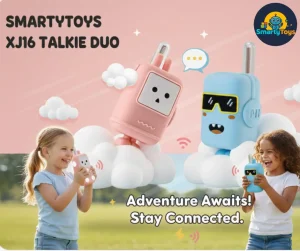
SmartyToys XJ16 Talkie Duo for Kids
If you want a classic walkie‑talkie experience with durability and kid-friendly design, the XJ16 Talkie Duo fits the bill.
Why this set stands out:
- Great balance of usability, price, and fun
- Light, portable, simple — even younger kids handle it easily
- Solid range, decent sound quality
Best for:
- Kids 4–8 years old
- Siblings or friends who love imaginative games
- Parents who want an easy, low-overhead toy
Top features:
- Two walkie-talkies per pack (perfect for 2 players)
- Simple, intuitive knobs/buttons — no complicated menus
- Durable enough for active play
- Good sound clarity for indoor/outdoor use
This is a go-to pick if you want classic walkie‑talkie fun: quick to use, easy to store, easy to invest in. Especially useful for younger kids just starting with tech toys.
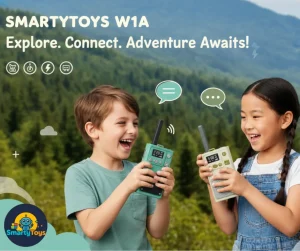
Long-Range Walkie Talkies W1A
Want more range, more adventure potential, and more freedom? The W1A set is built for those who treat playtime like a real mission.
Why this set stands out:
- Stronger transmission power
- Larger coverage — ideal for bigger homes, gardens, or outdoor play
- More durable construction for extended and rugged use
Best for:
- Older kids (6–12+), or younger kids playing with friends/older siblings
- Family outings, backyard adventures, or large spaces
- Kids who get bored easily and need “bigger worlds” to play in
Top features:
- Extended range — allows communication across garden, yard, or a few rooms/floors away
- Clear audio even outdoors
- Rugged build to handle outdoor use
Often preferred for “real-world adventure” play: treasure hunts, spy games, backyard missions, and more
If you want walkie‑talkies that grow with your child and stay useful even as play ambitions expand — W1A is your best bet.
How Walkie‑Talkies Help Kids Grow – Not Just Play
It’s easy to see walkie‑talkies as fun gadgets. But over time, and with regular play, they bring real developmental benefits. Parents who invest in good sets often notice changes in how their kids think, play, and interact.
- Better Communication & Social Skills: Kids learn to speak clearly, give directions, ask questions, coordinate — often leading to smoother communication at home or with friends.9
- Teamwork & Collaboration: When two kids coordinate a “mission,” share roles (spy, guard, rescuer), or plan a treasure hunt, they negotiate, compromise, lead, or follow.10
- Problem-Solving & Planning: Walkie‑talkie games often involve challenges: find the treasure, sneak past guard, hide. Kids strategize, devise plans, and adapt if things go wrong.11
- Imagination & Role-Play: With a simple walkie‑talkie in hand, kids can be pirates, secret agents, astronauts, or explorers.12 That expands their creativity far beyond the toy itself.
- Confidence & Independence: Handling their own device — using it correctly, leading conversations, organizing games — gives kids a sense of responsibility, ownership, and maturity.13
- Reduced Screen Time: Walkie‑talkies encourage real-world interaction — physical movement, voice, social play — offering a healthy alternative to passive screen use.14
Walkie‑talkies can easily become a core part of kids’ play routines, not just a passing fad. And when they do, the benefits accumulate.
Real Stories from Families (Why Parents Keep Buying Them)
“My kids went from yelling down the hall to using walkie‑talkies like real agents.”
— A mother told how siblings started negotiating missions, calling each other for “backup” or “codes,” communicating clearly and respectfully. She said it improved their communication and reduced random yelling around the house.
“He turned the backyard into a basecamp.”
— A dad shared how his son used the W1A set for backyard “missions” — treasure hunts with cousins, catch-me-if-you-can games, hide-and-seek with strategy. The kid spent hours outside, running, planning, and laughing.
“It became their summer staple.”
— For another family, rechargeable XJ15 walkie talkies replaced summer screen time. Every evening turned into “spy hour,” with flashlight missions, secret codes, and creative adventures.
These aren’t exceptional — they’re typical. Once kids get a walkie‑talkie, parents often end up ordering a second set so friends or cousins can join.
How to Choose the Right Walkie‑Talkie Set for Your Child
Here’s a quick guide:
- If you want simple, easy-to-use walkie‑talkies for younger kids (4–8) → go with XJ16 Talkie Duo.
- If you want a longer-term toy that works again and again → pick Rechargeable Kids Walkie Talkies XJ15.
- If your kid loves big adventures, outdoor play, or larger spaces → choose Long-Range Walkie Talkies W1A.
Many parents end up buying two kinds — for example, XJ16 for indoor play and W1A for outdoor adventures.
Consider: does your child play inside more, or outside? Do they play alone, or with siblings/friends? How often will they use them? The answers help you pick the best one.
Frequently Asked Questions (FAQ)
| Question | Answer |
| Q: Are walkie‑talkies safe for kids? | A: Yes. Modern kids’ walkie‑talkies use low-power transmissions, are built for children, and emit no harmful radiation. They are safe when used respectfully (no hitting, throwing). |
| Q: What age group are these walkie‑talkies suitable for? | A: Generally, from around 4 to 12 years old. XJ16 is best for younger kids (4–8) due to simplicity; XJ15 and W1A are great for older kids (6–12+) who play outdoors or with friends. |
| Q: Do they require special batteries? | A: It depends. The Rechargeable Kids Walkie Talkies XJ15 come with rechargeable batteries. The XJ16 and W1A typically use standard AA or AAA batteries (check packaging), so spares may be needed. |
| Q: How far can they communicate? | A: Range varies by model and environment. Indoor sets (like XJ16) work well in the house/backyard (roughly 30–100 meters). Long-range sets like W1A can reach several hundred meters, ideal for larger yards or multi-story homes. |
| Q: Can more than two kids use them at once? | A: Yes — many sets allow multiple pairs to operate on different channels/frequencies. You can buy a second set and configure each pair to a unique channel for group play. |
| Q: Are they weather-resistant for outdoor play? | A: Most are built for casual outdoor use (fine for light dust/moisture) but are not waterproof. Avoid heavy rain or submerging them to ensure longevity. |
| Q: What kind of play are walkie‑talkies good for? | A: They are excellent for open-ended play: Treasure hunts, spy/secret agent games, explorer adventures, backyard obstacle courses, hide-and-seek with strategy, and team games. |
Tips to Get the Most out of Walkie‑Talkie Play
- Create a “Mission Box.” Keep flashlights, small notes, maps, and walkie‑talkies together. This makes the start of play more immersive.
- Rotate Roles. One kid leads the mission, one sneaks, one guards — rotating roles builds teamwork and empathy.
- Make a Game Rulebook. Simple rules (quiet voices, turn-taking, code words) make communication clearer and play more fun.
- Pair With Outdoor Time. Walkie‑talkies are perfect for backyard play, garden games, or park trips. Fresh air + communication = boredom‑proof fun.
- Involve Parents Sometimes. Join missions, narrate adventures, or be the “mystery villain.” Kids love it — and you get an excuse to be a kid again.
Final Thoughts: Walkie‑Talkies — A Timeless Toy in a Digital Age
Walkie‑talkies remind us of the magic of real interaction. They take simple sounds, childhood voices, laughter, adventure — and make them matter.
In a time when kids spend hours glued to screens, walkie‑talkies offer something rare: active play, real communication, creativity, teamwork, and independence. They teach social skills, confidence, collaboration, and imagination — all while kids think they’re “just playing.”
Whether you go for the rechargeable XJ15, the classic XJ16 Talkie Duo, or the long-range W1A, you’re not just giving a toy. You’re giving a key to a world of adventure, creativity, friendship, and growth.
Explore the options at SmartyToys.com
then watch as ordinary walls, rooms, or yards turn into secret agent headquarters, exploration zones, or treasure islands. Walkie‑talkies might just be the smartest toy you never knew you needed.